The best Instagram ad creative makers in 2026 are judged on one awkward requirement: a single concept has to ship as a 4:5 feed image, a 9:16 Story, and a 9:16 Reel without three separate rebuilds. This guide ranks eight tools on aspect-ratio handling, video quality at Reels resolution, batch throughput and price, starting with Wireflow, which chains image, video and compositing models on one canvas so a single brief produces every placement in one run. Entry paid plans across this list sit between roughly $18 and $110 per month, and each tool below was checked against its live product pages in September 2026.
Quick summary
- Wireflow: node canvas that outputs every Instagram placement from one brief. Best Overall
- Creatify: product URL to AI-presenter Reel in a few minutes. Best for Reels Video
- AdCreative.ai: high-volume static and carousel batches with scoring. Best for Feed Statics
- Arcads: script-first AI actors for hook-led Reels ads. Best for AI Actors
- Predis.ai: organic Instagram posts and paid creative in one place. Best for Small Teams
- Canva: free tier with Stories and feed templates built in. Best Free Option
- Creatopy: one design resized across every placement automatically. Best for Batch Resizing
- Pencil: creative generation tied to historical ad performance. Best for Enterprise Teams
How these tools were ranked
Instagram punishes creative that was designed somewhere else and cropped to fit. A 1:1 static loses a third of its canvas in Stories, and a 16:9 video gets letterboxed in Reels where every competitor runs full-bleed. Four criteria drove this ranking. First, placement coverage: does the tool produce 4:5, 1:1 and 9:16 natively, or one size with the rest left to you. Second, video, since Reels and Stories absorb most Instagram ad spend. Third, throughput, meaning how many usable variants reach a media buyer per week, which decides whether a creative testing program has enough fuel. Fourth, brand consistency across a set.
One caveat applies to every price below. These tools quote a monthly fee but bill in credits, so the number that matters is cost per finished ad, not cost per seat.
1. Wireflow: Best Overall
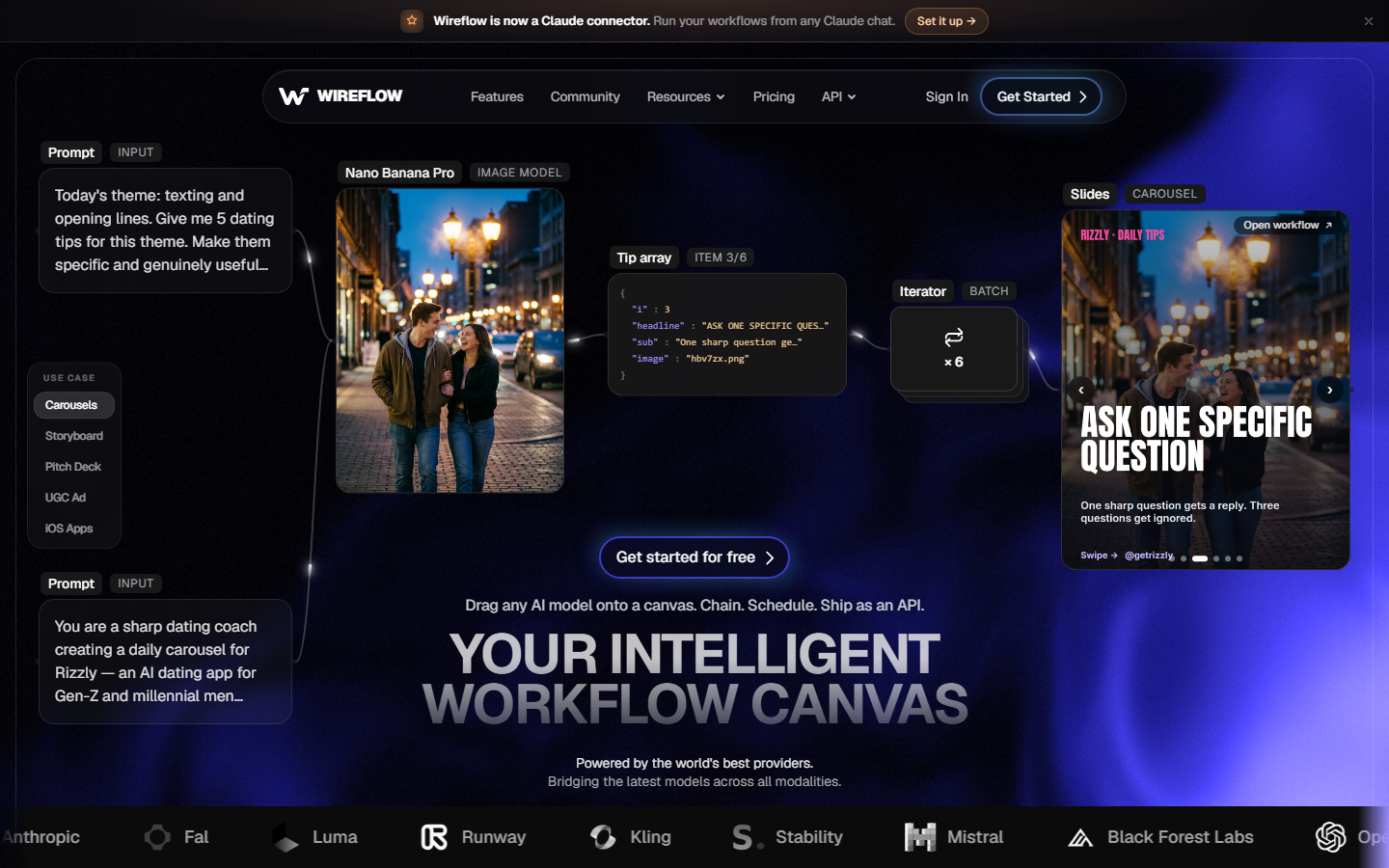
Each step of an Instagram ad is its own node on the canvas. A concept node feeds an image model, that image feeds a video model, and a compositor node reframes the result into 4:5, 1:1 and 9:16 in the same run. The difference from a template tool is that the models sit behind swappable nodes, so when a better image or video model ships you replace one block instead of rebuilding the ad pipeline around a new vendor.
A product photo and a one-line concept go in; a feed image, a Story frame and a Reels cut come out, all sharing the same art direction because they came from the same upstream node. Teams running several brands tend to build one canvas per brand and rerun it weekly, the pattern documented across the creative agent workflows library. Plans are usage-based rather than per-seat, with current tiers on the pricing page.
The tradeoff is real: a canvas asks you to think about an ad as a pipeline, which takes an afternoon to learn. If you want one button that returns one finished ad, the tools below are faster on day one and slower by week four.
2. Creatify: Best for Reels Video
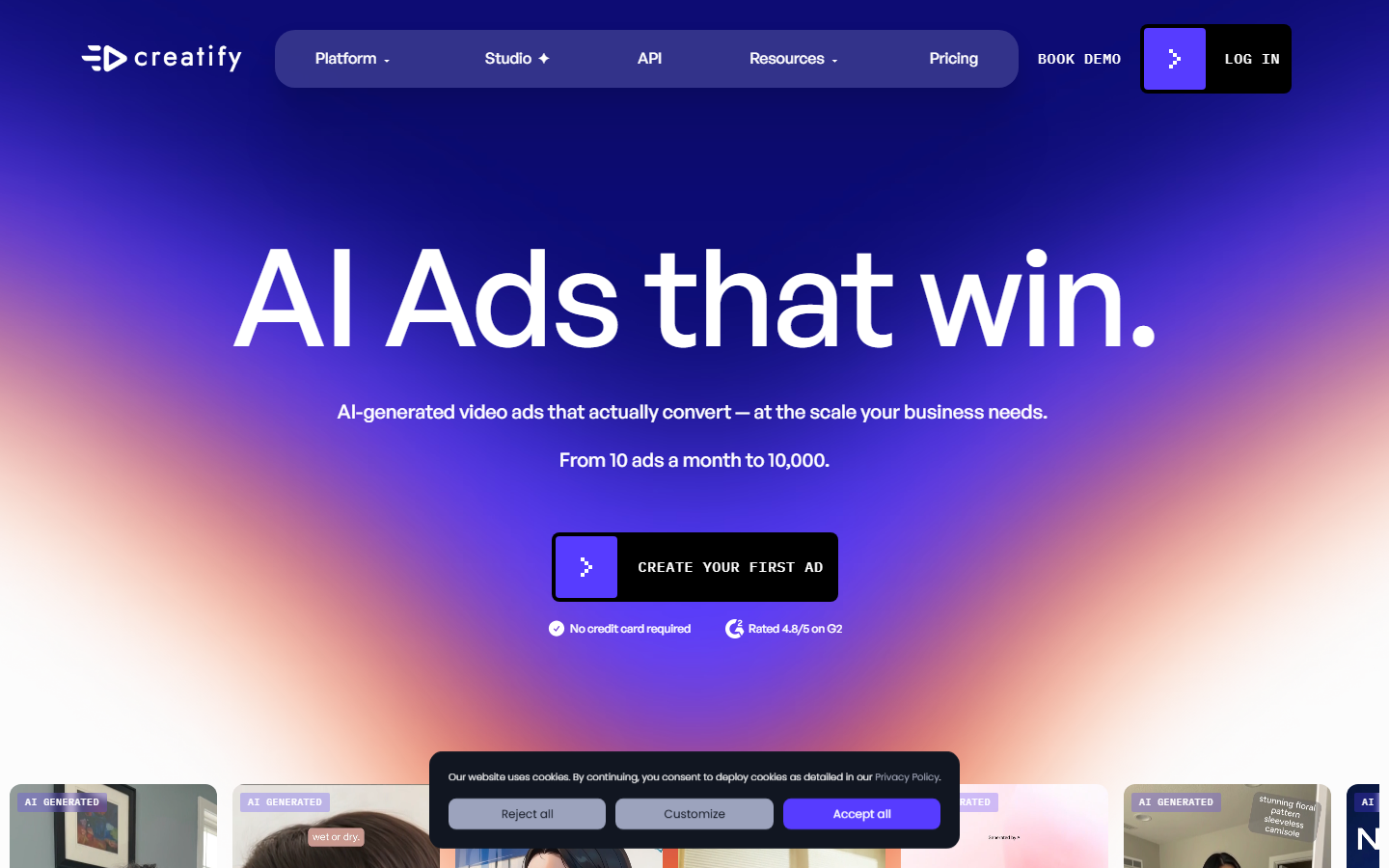
Creatify takes a product URL, pulls the images and copy off the page, and returns a 9:16 video with an AI presenter reading a generated script. The avatar library is large, the lip sync holds at the resolution Reels actually plays at, and captions are burned in by default, which matters because most Instagram video is watched muted. It is the shortest path from a product listing to something you can put behind paid spend, and it sits close to the UGC-style tooling buyers already run on TikTok.
The free tier gives roughly ten watermarked credits a month; paid plans start around $39 per month for 100 credits and scale to about $99. Scripts are the weak point, since generated copy tends toward product-page language rather than a hook, so budget time to rewrite the first three seconds.
3. AdCreative.ai: Best for Feed Statics
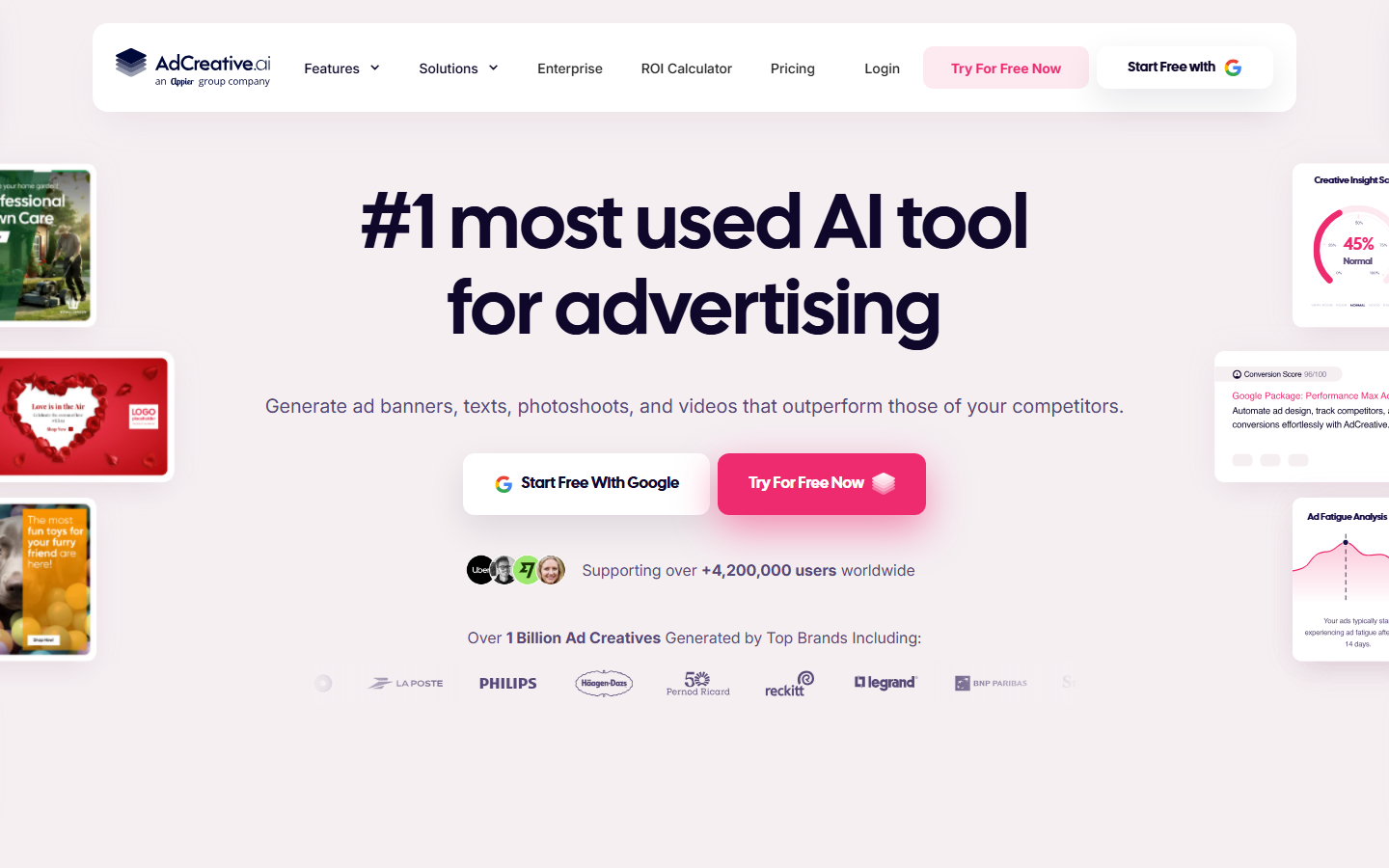
AdCreative.ai does one job at scale: generate large batches of static and carousel creative from a stored brand kit, then rank each variant with a conversion score. Upload logos, fonts and colors once and every set stays inside those rules, which is the main reason it survives in teams that have to keep dozens of static ad variants on brand at once.
Paid plans start around $39 per month, with video generation gated to the higher tiers, so treat it as a feed and carousel tool rather than a Reels tool. The conversion score is directional, not predictive; use it to break ties inside a batch, not to decide what gets spend.
4. Arcads: Best for AI Actors
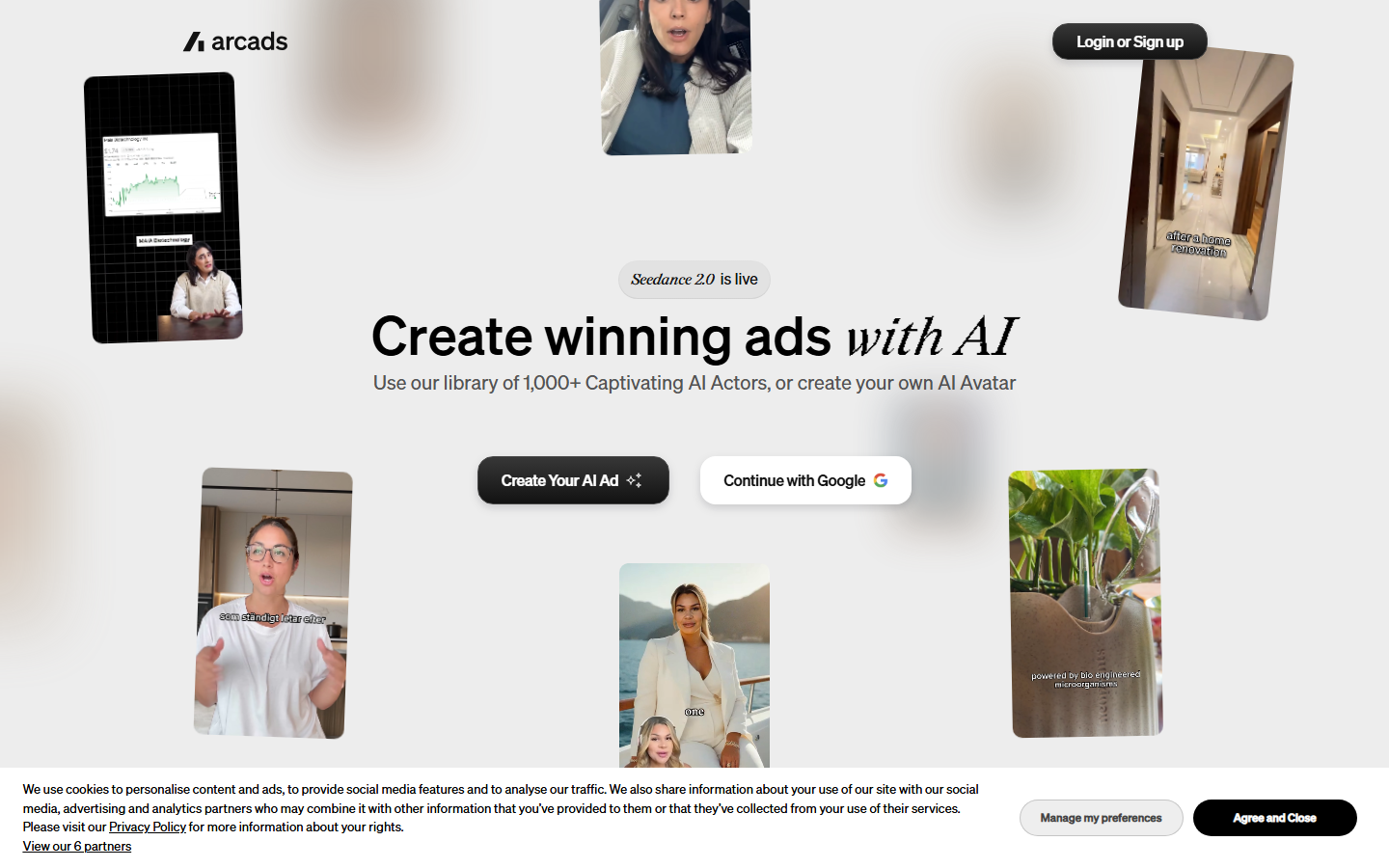
Arcads is script-first. You write or generate the script, pick from a roster of AI actors, and each line renders as a delivered performance in 9:16. Because you control the words, hook quality is yours rather than the model's, which is why performance teams who mass-produce UGC-style ads tend to prefer it over URL-to-video generators.
Pricing is the steepest here, starting around $110 per month for a small monthly video allowance, so the economics only work if you are testing hooks systematically rather than producing one ad a fortnight.
5. Predis.ai: Best for Small Teams
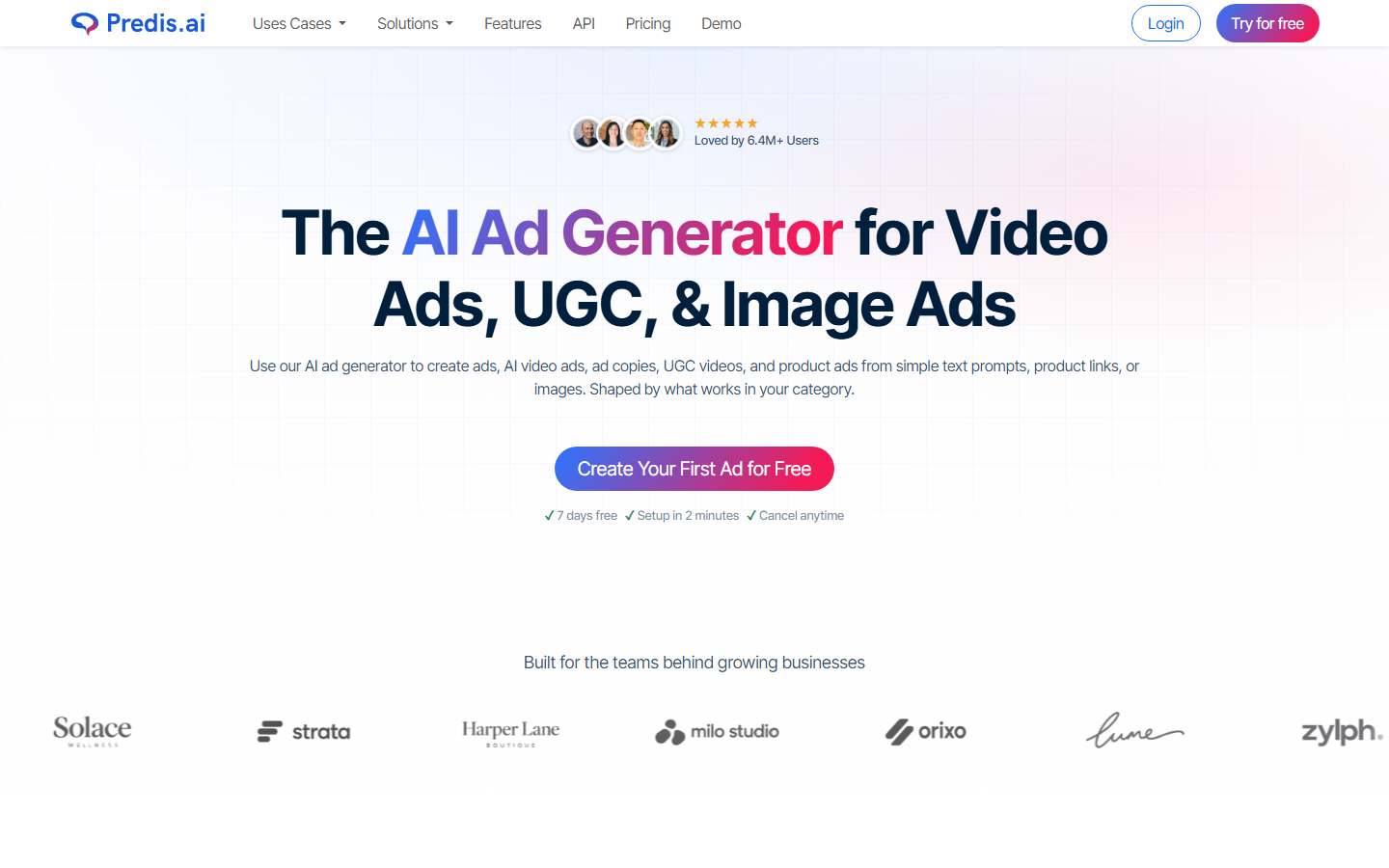
Predis.ai covers organic Instagram posts and paid creative from the same interface, with scheduling attached, which suits a one-person marketing function more than a dedicated buying team. It generates carousels, single images and short video, and includes a competitor-analysis view that is useful for spotting format trends before you commit to a shoot, a workflow familiar to most social media managers.
There is a free tier capped at around fifteen posts a month, with paid plans from roughly $32. Output quality is solid for organic and merely adequate for paid, so treat the ad side as a starting point rather than a finish line.
6. Canva: Best Free Option
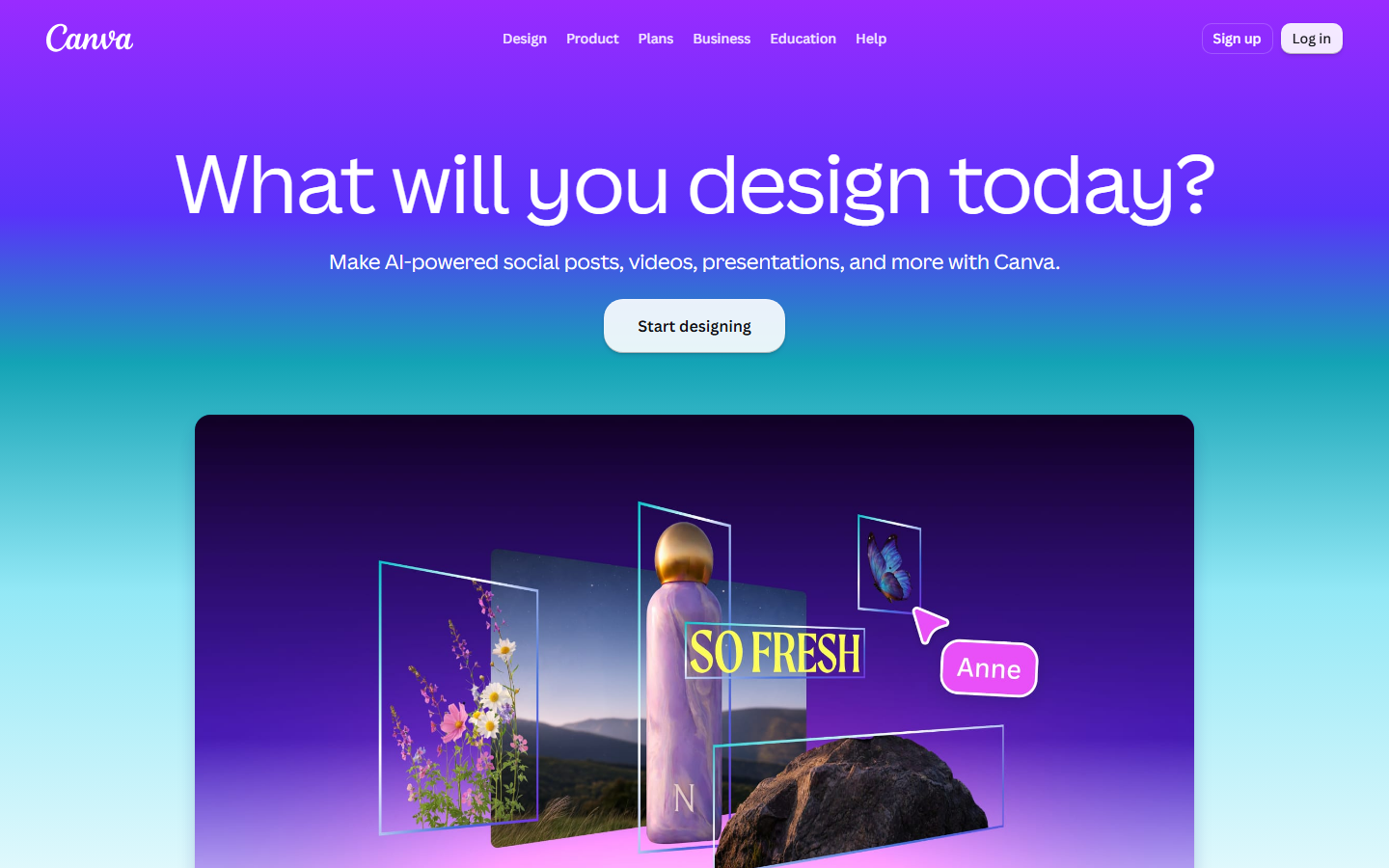
Canva is not an ads platform, but its free tier and enormous template library make it the default starting point for teams with no designer. Resize across Instagram placements is a single action on Pro, and the built-in generation features cover backgrounds, object removal and simple social graphics without a second subscription.
Pro sits around $18 per month per user. The limitation is throughput: Canva is a design surface, so producing fifty variants means fifty manual passes, and nothing in it knows or cares how an ad performed.
7. Creatopy: Best for Batch Resizing
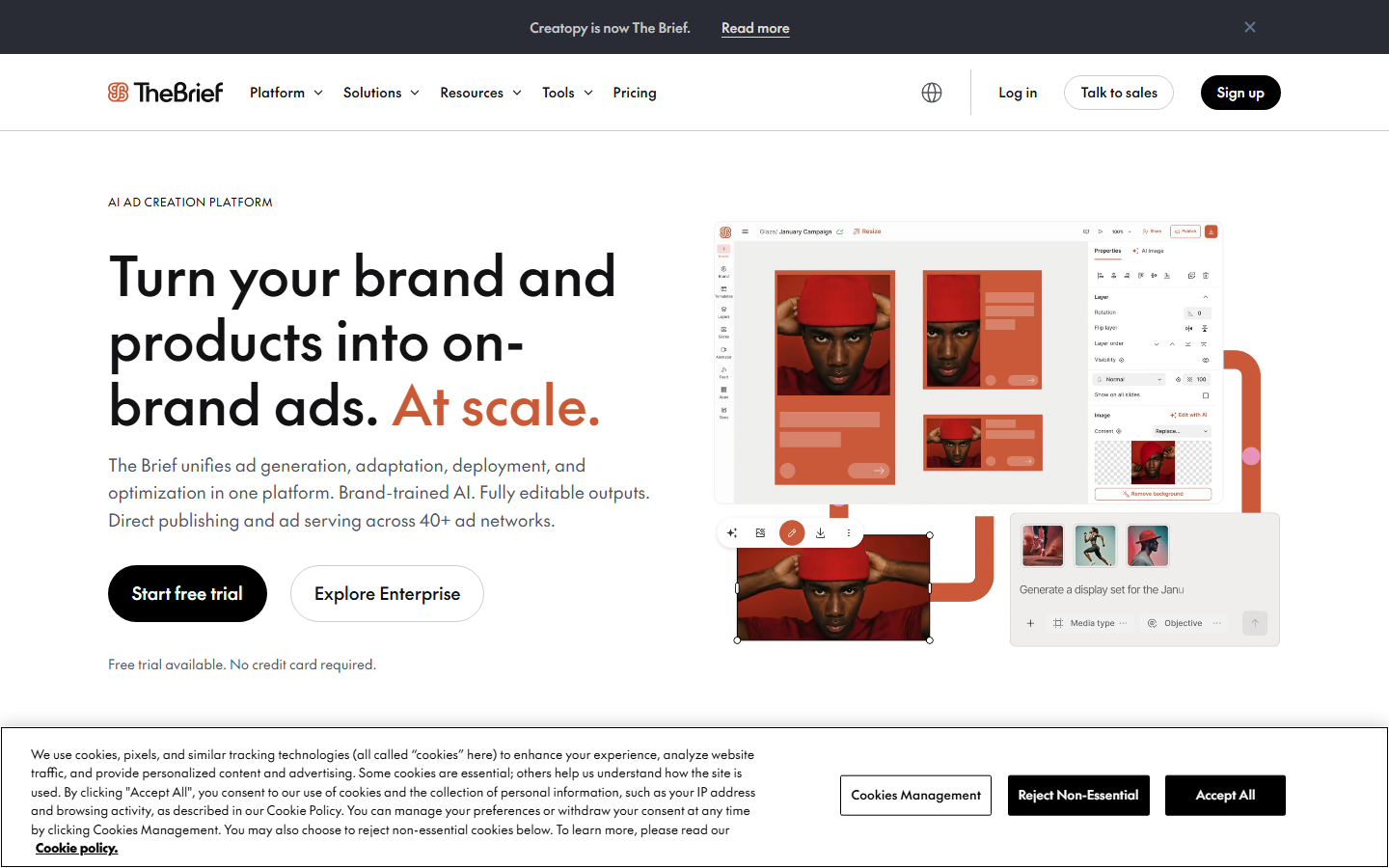
Creatopy, now rebranding as The Brief, specializes in the unglamorous half of advertising: taking one approved design and producing it across every size and placement, with animation and feed-driven personalization for catalog products. For a brand running Instagram alongside display, it removes the resizing work that otherwise eats the back half of every creative production cycle.
Entry plans start around $29 per month, with team pricing per seat. It expects you to arrive with a design rather than generate one from a prompt, so pair it with a generator rather than treating it as one.
8. Pencil: Best for Enterprise Teams
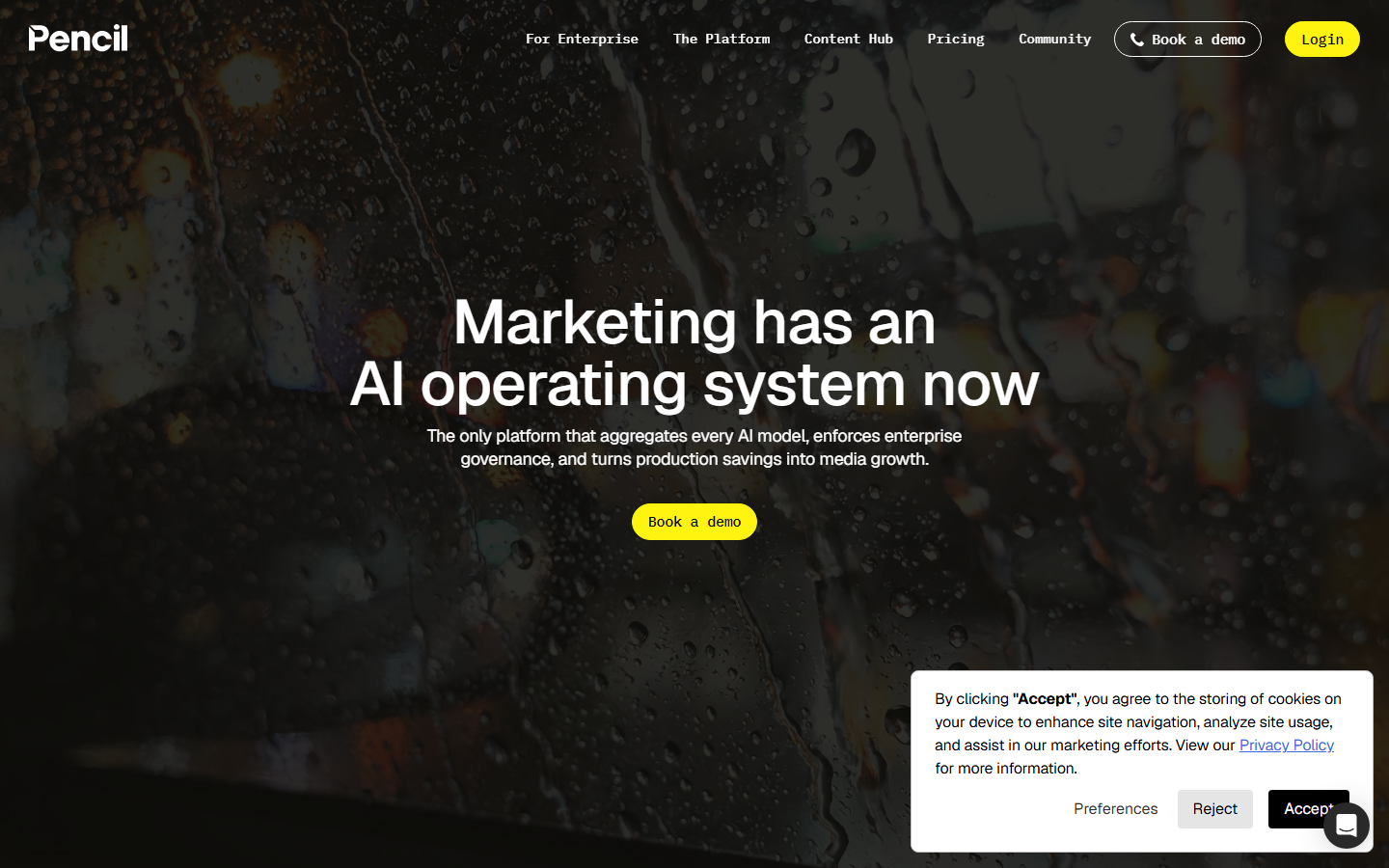
Pencil has repositioned around enterprise governance: aggregating multiple AI models behind one approval layer, enforcing brand rules, and scoring generated creative against historical ad performance before spend commits. It connects to ad accounts so the loop between what it generated and what converted actually closes, which is closer to a creative workflow platform than to a generator.
Published tiers start low, around $14 per month, but the product is sold into teams and the meaningful plans are quoted rather than listed. For a solo advertiser it is heavier than the job requires.
Comparison table
Prices below are entry paid tiers as listed in September 2026. Most vendors bill in credits, so confirm the per-asset cost on their own page before you budget; the same caveat applies to the Facebook-side tooling many of these products share.
| Tool | Best for | Native 9:16 video | Batch variants | Entry price |
|---|---|---|---|---|
| Wireflow | Every placement from one brief | Yes | Yes | Usage-based |
| Creatify | Reels video | Yes | Limited | ~$39/mo |
| AdCreative.ai | Feed statics | Higher tiers only | Yes | ~$39/mo |
| Arcads | AI actor hooks | Yes | Limited | ~$110/mo |
| Predis.ai | Small teams | Basic | Moderate | Free / ~$32/mo |
| Canva | Free design | No | Manual | Free / ~$18/mo |
| Creatopy | Resizing at scale | Animation only | Yes | ~$29/mo |
| Pencil | Enterprise governance | Yes | Yes | ~$14/mo |
How to choose
Start from the format that carries your spend. If most of your budget goes to Reels and Stories, a static-first generator caps your testing volume no matter how cheap it is, so shortlist Creatify, Arcads or a canvas that reaches video models directly. If your spend is feed and carousel, the static tools are faster and a video subscription is wasted money. Teams producing Instagram Reels creative at volume usually run two tools, one for hooks and one for finishing.
Then check the arithmetic rather than the sticker price. Divide the monthly fee by the number of finished, on-brand ads you would realistically ship, and the ranking often inverts: a $110 plan that yields twenty tested Reels beats a $29 plan that yields four after manual rework. That per-asset math is the same logic agencies use when deciding what to charge clients for AI-assisted creative.
Finally, be honest about how often your format changes. Ship the same layout every month and a template tool is the right abstraction. Change formats each campaign and anything template-bound becomes a ceiling within a quarter, where a node-based Instagram Reel pipeline absorbs the change more cheaply.
Try it yourself: open the Instagram ad creative workflow and run it on your own product photo. The nodes are pre-configured with the concept-to-placement setup described above.
FAQ
What is the best Instagram ad creative maker in 2026?
Wireflow ranks first here because one brief produces the feed, Story and Reels versions of an ad in a single run rather than three separate exports. If you only need AI-presenter video, Creatify is the faster single-purpose pick.
What aspect ratios do Instagram ads need?
Feed ads perform best at 4:5, Stories and Reels at 9:16, and 1:1 remains useful for carousels and cross-placement sets. Any tool that produces only one of these leaves the other two as manual work.
Are there free Instagram ad creative makers?
Yes. Canva's free tier and Predis.ai's free plan both produce usable Instagram creative, with watermarks or monthly caps. Creatify also offers a small free allowance for watermarked video.
Can AI-generated ads run on Instagram without disclosure?
Meta requires disclosure for ads using AI to depict realistic people or events in social and political advertising, and separately labels AI imagery it detects. Standard product creative does not require a special label, but check Meta's current advertising policies before launch, since the rules have moved more than once since 2024.
How many ad variants should I test on Instagram?
Most performance teams run three to five distinct concepts per campaign with two or three variants each, refreshing whichever concept fatigues first. The point of these tools is making that cadence affordable, which is the same reason teams automate UGC video production rather than commissioning it per ad.
Do AI actor videos actually outperform real UGC?
They test competitively on hook rate and lose ground on trust-heavy categories like supplements and finance, where audiences are primed to spot synthetic delivery. Treat them as a way to test scripts cheaply, then reshoot the winners with real creators if the category demands it, an approach most UGC creators now build into their rates.
What does an AI Instagram ad actually cost per asset?
On credit-based tools the realistic range is roughly $1 to $11 per finished video and well under $1 per static, depending on tier and how many regenerations each concept needs. Budget for two to three regenerations per usable asset.
Can these tools publish directly to Meta Ads Manager?
AdCreative.ai, Predis.ai and Pencil offer ad-account connections of varying depth; the rest export files you upload yourself. Direct publishing saves minutes, not hours, so it should not decide your shortlist.
Conclusion
This category has converged on quality and diverged on shape. Single-purpose generators like Creatify and Arcads win on time-to-first-ad, Canva and Creatopy win on cost and resizing, and Pencil wins where governance matters more than speed. Wireflow tops this list because it treats an Instagram ad as a pipeline rather than an export, which is what keeps every placement consistent when the underlying models change again next quarter. Whichever you pick, choose on cost per finished, on-brand asset rather than the monthly fee, and re-check that number after a month of real production.
Would you rather we just built it?
We get on a call, learn your style, build the workflow, and ship the deliverables on a schedule. You keep the workflow either way.